Underbrush Clearing in Salt Lake City, UT
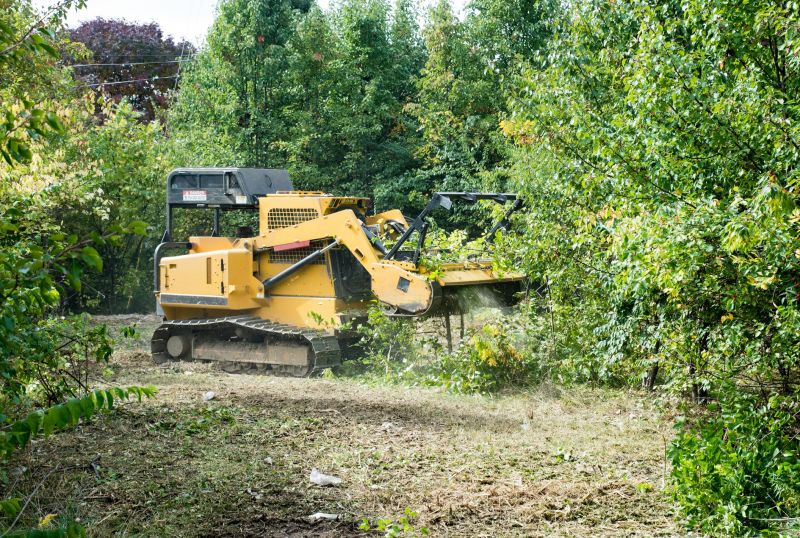
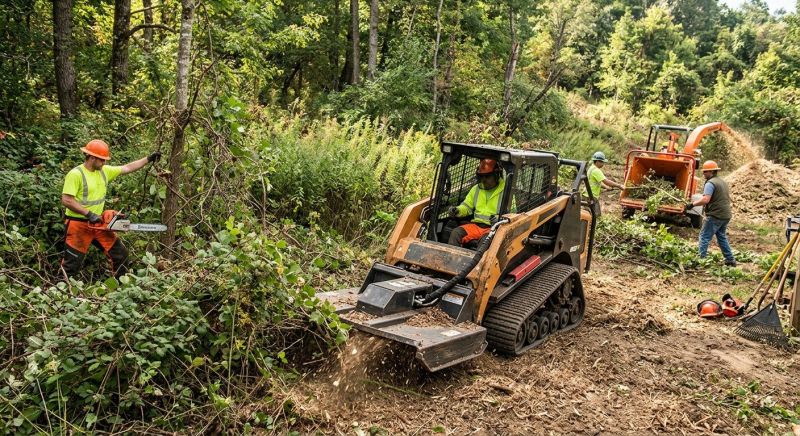
Underbrush clearing services involve removing dense, overgrown vegetation such as shrubs, small trees, and thick undergrowth that can obscure visibility, hinder property maintenance, or pose fire risks. These projects typically include clearing brush from wooded areas, yard perimeters, or vacant lots to improve safety, accessibility, and aesthetic appeal. Property owners often seek this service when preparing land for landscaping, reducing fire hazards, or restoring open space on their property.
Before requesting underbrush clearing, property owners should consider the extent of the overgrowth, the types of plants involved, and any local regulations regarding vegetation removal. It is useful to clarify whether the project includes removal and disposal of debris, as well as any specific areas to focus on or avoid. Understanding these details can help ensure the clearing process aligns with the property's needs and any ongoing maintenance plans.
Many property owners in Salt Lake City, UT look into Underbrush Clearing for repairs, replacements, upgrades, and appearance-related improvements.
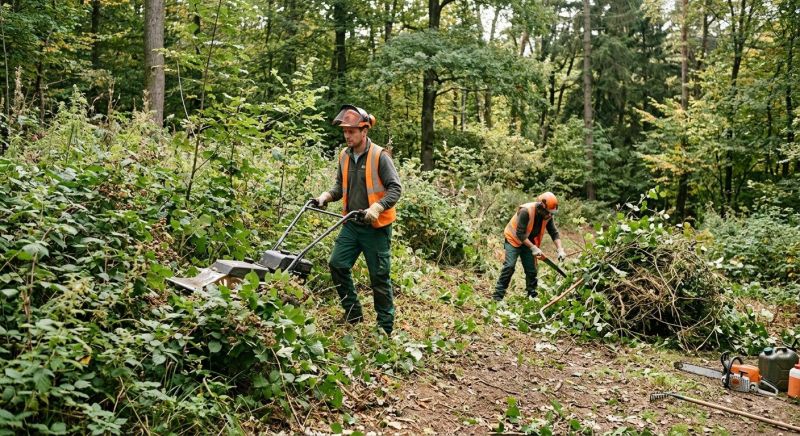
Clearing Overgrown Areas
Removing dense underbrush to improve safety and accessibility on your property.
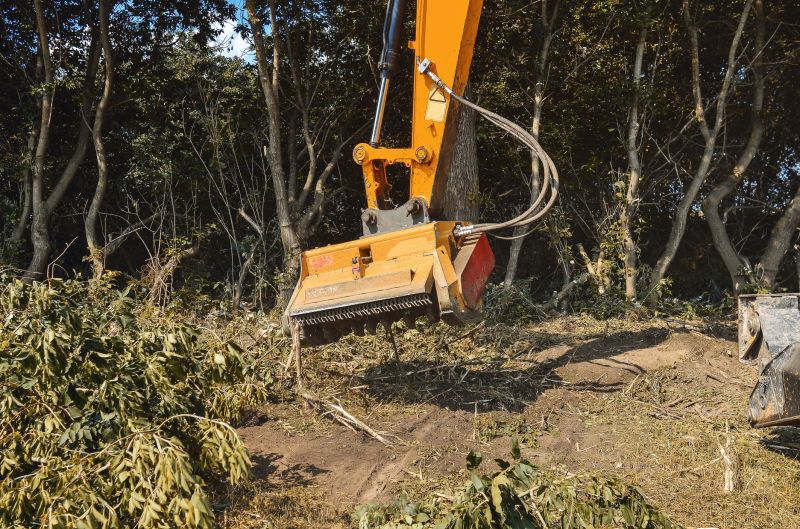
Preparing Land For Projects
Clearing underbrush to create open space for landscaping, construction, or recreational use.
Maintaining Property Safety
Reducing fire hazards and controlling pests by managing excess undergrowth around salt lake city homes.
Underbrush Clearing in Salt Lake City, UT
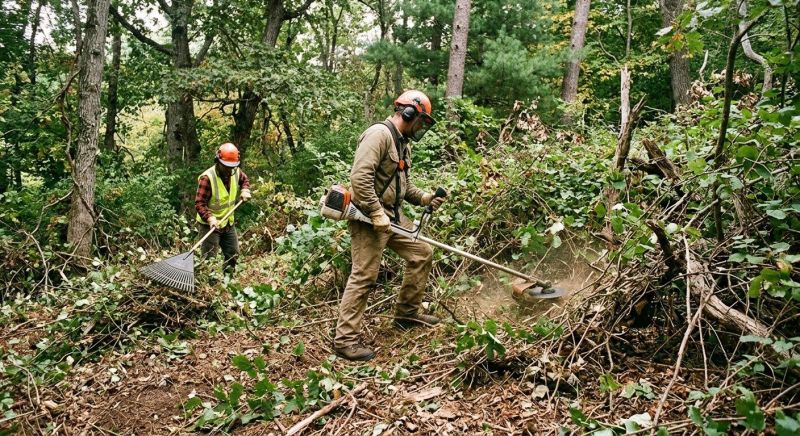
Underbrush clearing services involve removing dense, overgrown vegetation such as shrubs, small trees, and thick undergrowth that can obscure visibility, hinder property maintenance, or pose fire risks. These projects typically include clearing brush from wooded areas, yard perimeters, or vacant lots to improve safety, accessibility, and aesthetic appeal. Property owners often seek this service when preparing land for landscaping, reducing fire hazards, or restoring open space on their property.
Before requesting underbrush clearing, property owners should consider the extent of the overgrowth, the types of plants involved, and any local regulations regarding vegetation removal. It is useful to clarify whether the project includes removal and disposal of debris, as well as any specific areas to focus on or avoid. Understanding these details can help ensure the clearing process aligns with the property's needs and any ongoing maintenance plans.
Many property owners in Salt Lake City, UT look into Underbrush Clearing for repairs, replacements, upgrades, and appearance-related improvements.
Common Underbrush Clearing Jobs
Overgrown Brush Removal - clearing dense undergrowth to improve yard visibility and accessibility.
Fire Prevention Clearing - removing brush and debris to reduce fire risk around properties.
Trail and Path Clearing - creating safe, navigable walkways through wooded or brush-heavy areas.
Fence Line Maintenance - clearing underbrush along fences to prevent damage and improve appearance.
Property Line Clearing - defining boundaries by removing encroaching undergrowth and vegetation.
Storm Debris Cleanup - removing fallen branches and brush after severe weather events.
Underbrush Clearing Questions
What is underbrush clearing? Underbrush clearing involves removing shrubs, small trees, and dense vegetation to improve visibility, safety, and property appearance.
Why should property owners consider underbrush clearing? Clearing underbrush reduces fire hazards, prevents pest issues, and creates open space for landscaping or recreation.
What types of projects typically require underbrush clearing? Projects include preparing land for construction, maintaining firebreaks, or clearing overgrown areas around homes and farms.
How does underbrush clearing benefit property maintenance? It helps control invasive plants, improves air circulation, and makes future landscaping or upkeep easier.
Request Underbrush Clearing in Salt Lake City, UT
Use the quote form on this page to share the basics of your project and request more information for the type of work you need.